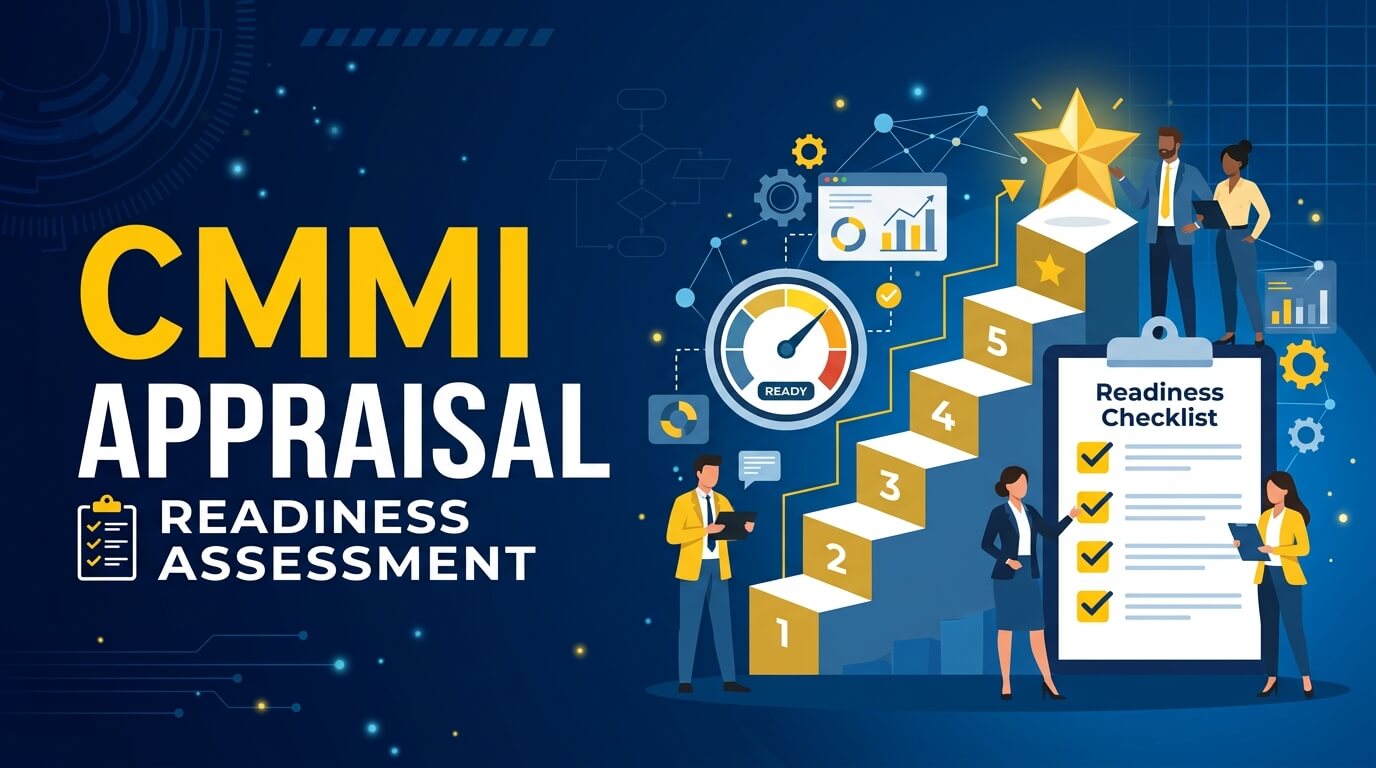
Preparing for a Capability Maturity Model Integration (CMMI) appraisal requires more than documenting processes or collecting project records. Organizations must demonstrate that their processes are appropriately implemented, consistently followed, and supported by reliable evidence. A CMMI Appraisal Readiness Assessment helps organizations evaluate their current process capabilities, identify gaps, and determine whether they are prepared for a formal appraisal.
For software development companies, IT service providers, engineering teams, and other process-driven organizations, readiness assessment can reduce uncertainty and support structured process improvement. B-ADVANCY Certification UK Limited provides CMMI-related consulting, training, and appraisal preparation support to help organizations strengthen their processes and prepare for appraisal activities.
What Is a CMMI Appraisal Readiness Assessment?
A CMMI Appraisal Readiness Assessment is a structured review of an organization's processes, implementation practices, documented information, and supporting evidence against the applicable CMMI model and intended appraisal scope. Its purpose is to identify areas that may require improvement before the formal appraisal begins.
The assessment examines whether the organization can demonstrate its process capabilities through actual work practices and objective evidence rather than relying solely on written procedures. The assessment scope should reflect the relevant CMMI model, selected practice areas, organizational structure, and intended maturity or capability objectives.
A readiness assessment is generally a preparatory activity. It does not itself establish a CMMI maturity level or guarantee a successful appraisal outcome.
Why Is CMMI Appraisal Readiness Important?
Without adequate preparation, organizations may discover process weaknesses, inconsistent implementation, missing evidence, or unclear responsibilities during the formal appraisal. Addressing these issues in advance helps teams understand their current position and prioritize corrective actions.
A well-planned readiness assessment can help organizations:
- Identify gaps between existing practices and applicable CMMI requirements.
- Evaluate whether documented processes are implemented consistently.
- Check the availability, accuracy, and traceability of appraisal evidence.
- Clarify process ownership, responsibilities, and employee awareness.
- Prioritize corrective actions based on risk and business impact.
- Improve coordination among project teams, process owners, and management.
- Reduce avoidable delays and last-minute preparation activities.
The overall objective is to establish a realistic understanding of appraisal readiness while supporting sustainable process improvement.
Key Areas Covered in a CMMI Readiness Assessment
1. Process Documentation Review
The assessment reviews relevant policies, procedures, guidelines, process descriptions, templates, and supporting records. The objective is to determine whether documented processes are suitable for the organization's operations and aligned with the applicable CMMI model and appraisal scope.
Documentation should reflect actual practices. Procedures that exist only on paper, contain outdated instructions, or are not understood by employees may indicate areas requiring attention.
2. Process Implementation and Consistency
A readiness assessment examines how processes operate across the relevant projects, teams, and organizational units. Reviewers may examine project planning, requirements management, risk management, quality assurance, measurement, monitoring, and other areas relevant to the selected scope.
The assessment also considers whether teams follow established procedures and whether deviations are identified and managed appropriately.
3. Objective Evidence and Records
Evidence is essential for demonstrating that processes are implemented in practice. Depending on the applicable practices and appraisal scope, evidence may include project plans, requirements records, review results, risk registers, quality reports, performance measurements, meeting records, and improvement actions.
Evidence should be authentic, relevant, traceable, and consistent with actual work performed. Organizations should avoid creating retrospective records simply to make their processes appear compliant.
4. Employee Awareness and Process Ownership
Employees and process owners should understand their responsibilities and how relevant processes support project delivery. Interviews or discussions may help identify differences between documented procedures and employees' actual working practices.
Training, internal communication, and clearly assigned responsibilities can help address these differences before the formal appraisal.
5. Measurement, Governance, and Improvement
Depending on the selected CMMI model and scope, the assessment may examine performance indicators, management reviews, risk controls, corrective actions, and continuous improvement activities. Organizations should be able to explain how process performance is monitored and how findings inform decisions.
For organizations pursuing higher maturity objectives, the readiness review should also consider the applicable expectations for organizational process management and performance improvement.
Steps in the CMMI Appraisal Readiness Assessment Process
Step 1: Define the Appraisal Scope
Determine the relevant CMMI model, organizational boundaries, participating teams, applicable practice areas, and intended maturity or capability objectives. A clearly defined scope helps ensure that preparation activities address the correct requirements.
Step 2: Conduct a Gap Analysis
Compare existing processes and implementation evidence with applicable model expectations. Record gaps, inconsistencies, risks, and improvement opportunities. Each finding should be specific enough to support an effective corrective action.
Step 3: Evaluate Evidence and Interview Relevant Teams
Review relevant documents and work products, then discuss actual practices with process owners and team members. This helps establish whether the evidence reflects real implementation and whether employees understand their responsibilities.
Step 4: Develop a Corrective Action Plan
Prioritize findings according to their significance, risk, dependencies, and the time needed for correction. Assign owners and target dates, identify required resources, and define how the effectiveness of corrective actions will be verified.
Step 5: Implement Improvements and Verify Readiness
Implement agreed improvements, update processes where necessary, provide training, and maintain evidence of actual implementation. A follow-up review can determine whether identified gaps have been addressed and whether remaining risks require further action.
Step 6: Coordinate Formal Appraisal Preparation
Once the organization has addressed significant gaps, coordinate the remaining preparation activities with the authorized appraisal team. Formal appraisal arrangements, including applicable eligibility and evidence requirements, should follow the relevant CMMI Institute and appraisal-method guidance.
Common CMMI Appraisal Readiness Challenges
Organizations often face similar challenges when preparing for a CMMI appraisal. Recognizing them early can help management allocate resources more effectively.
- Inconsistent process execution: Different teams follow different practices without appropriate control or justification.
- Incomplete evidence: Records do not sufficiently demonstrate the activities performed or decisions made.
- Limited employee awareness: Team members are unfamiliar with relevant procedures and responsibilities.
- Weak measurement practices: Performance information is collected inconsistently or is not used to guide improvement.
- Insufficient management involvement: Process improvement lacks ownership, resources, or sustained oversight.
- Last-minute preparation: Corrective actions begin too late to demonstrate consistent implementation.
Addressing these challenges requires management commitment, realistic planning, employee participation, and a focus on genuine process effectiveness rather than documentation alone.
How Long Does a CMMI Readiness Assessment Take?
The duration depends on organizational size, the number of projects and teams in scope, process maturity, evidence availability, the selected CMMI model, and the complexity of identified gaps. A focused preliminary review may take considerably less time than a comprehensive assessment covering multiple organizational units.
Organizations should allow additional time to implement corrective actions and demonstrate that improved practices are being followed. A readiness assessment should not be treated as a substitute for the actual implementation period needed to establish reliable process evidence.
Choosing CMMI Appraisal Readiness Support
When selecting a readiness assessment or consulting provider, organizations should consider experience with the applicable CMMI model, understanding of their industry, the quality of gap analysis, and the ability to support practical process improvements.
A suitable provider should explain the assessment scope, expected deliverables, responsibilities, limitations, and proposed timeline. Organizations should also understand the distinction between consulting support and the formal appraisal process, including applicable independence and conflict-of-interest requirements.
B-ADVANCY Certification UK Limited supports organizations through CMMI-related consulting, training, process assessment, gap analysis, and appraisal preparation activities. Support can be tailored to organizational requirements, applicable CMMI model versions, and intended appraisal objectives.
Conclusion
A CMMI Appraisal Readiness Assessment provides organizations with a structured way to evaluate process implementation, identify weaknesses, review supporting evidence, and plan corrective actions before a formal appraisal. By focusing on genuine process improvement, management involvement, and consistent implementation, organizations can strengthen operational discipline and make better-informed appraisal decisions.
Early preparation helps organizations understand their readiness, manage potential risks, and build a stronger foundation for sustainable process improvement. For businesses planning their CMMI journey, a structured readiness assessment is a practical step toward more predictable processes and improved organizational performance.
📞 WhatsApp:Chat on WhatsApp📧 Email:info@b-advancy.com


 Contact For Services
 Explore Training Calendar